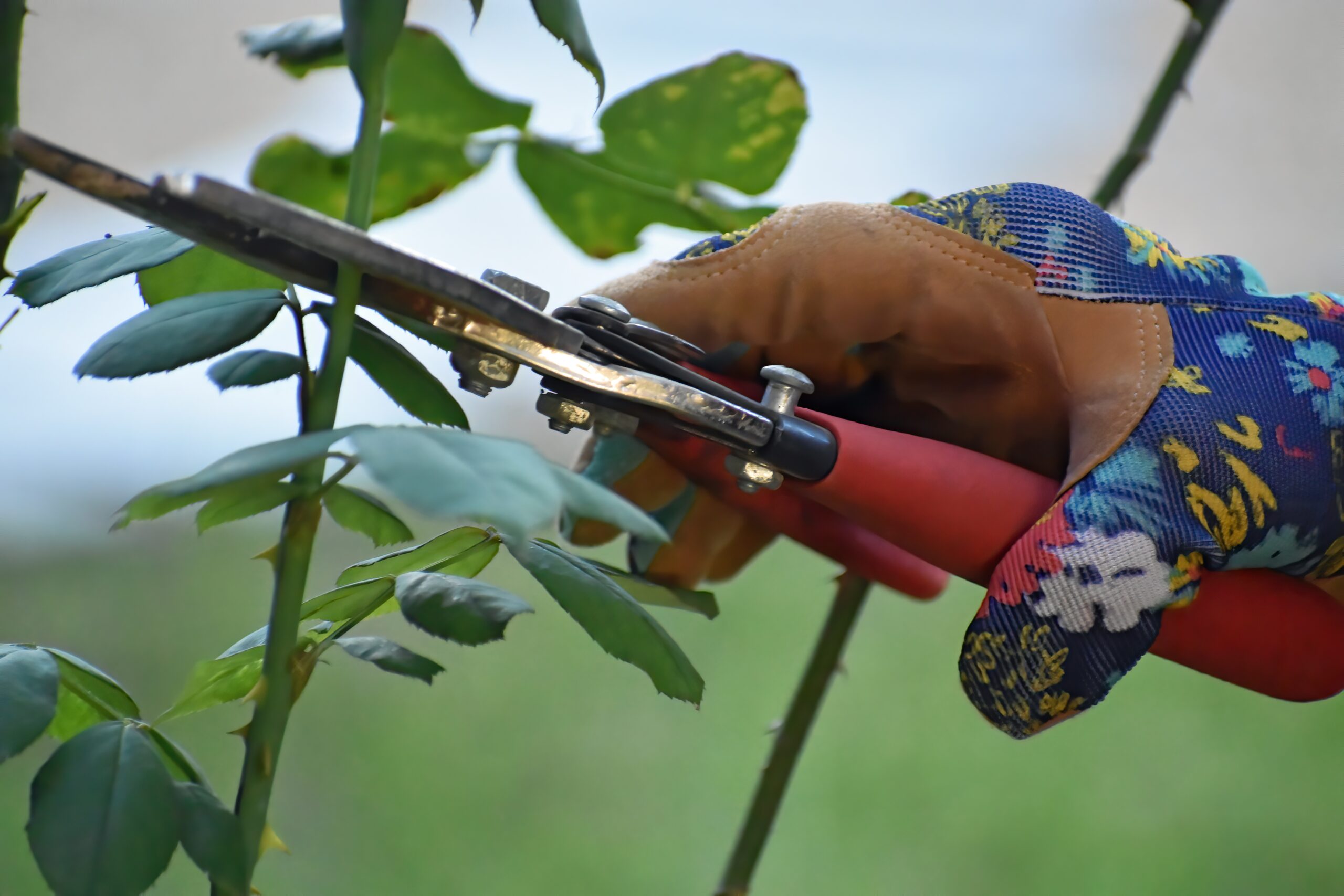

For the last few weeks I’ve examined the metaphor of pruning to let go, to find purpose, and to change and grow. Now, let’s turn to transitions. Transitions, as we all know, can be really difficult to move through. After all, if we reshape our identity, priorities, or even our entire self, how do we navigate the transitions that follow?
Nature performs transitions in many ways, and can offer a very helpful model to follow. It often creates situations where one state or ecosystem transitions into another, like birds migrating from one place to another, for example, sometimes more than 3000 miles away.
Seasons are another form of transition, that we’re all familiar with. Each of those seasonal changes follows a process that helps us see the coming transition, adapt to it, and shift into a new way of being. That process gives us some wonderful ideas of ways to make transitions in our personal and professional lives.
Moving from season to season
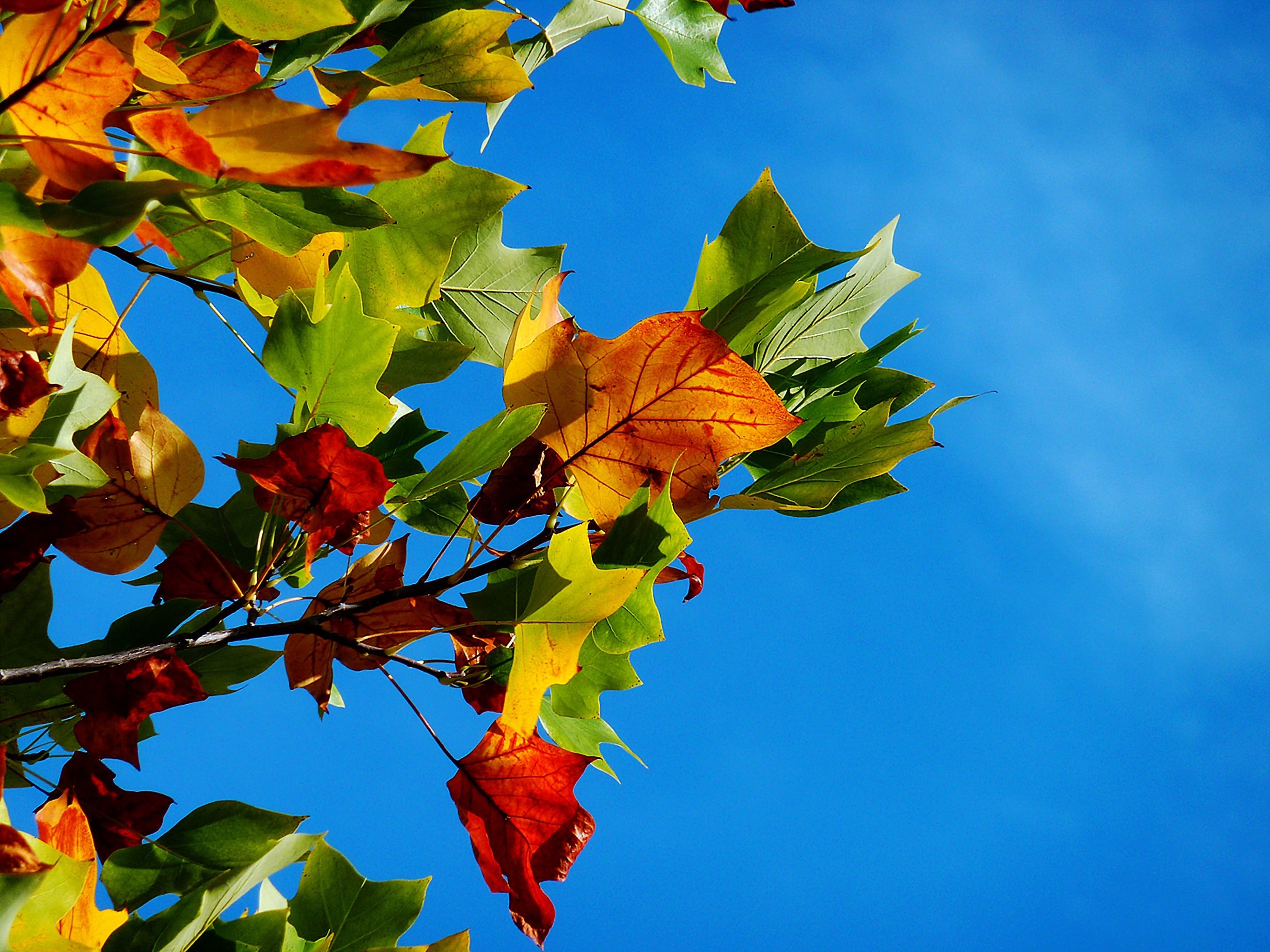
Here in Minnesota, we’re starting to see signs that our transition from summer to fall is not far away. When we’re approaching the end of one season, Nature—and humans—don’t cross a hard boundary from one to the next. The transition doesn’t happen suddenly on the first day of autumn, but late summer is filled with interesting signals that tell us the warmer seasons are coming to an end, and autumn is arriving. Fall shows up in changes in temperature and in the colors of leaves. These gradual shifts are pattern changes, from the patterns of summer to the patterns of fall.
We’ve all grown up experiencing these seasons, so we’re aware of what these patterns tell us about the coming transition. If we think about our lives moving through different seasons, we can see they’re full of patterns that accompany transitions. Transitions might be from one job to the next, a transition into motherhood, or a transition into retirement. With each, we can try notice signals of change. Maybe we feel a general sense of malaise getting up to go to work in the morning. Perhaps a fulfilling new hobby begins to generate some revenue. Maybe we’ve begun to notice families at the park, and feel a new sense of yearning.
Whatever the signs, once we’re aware of them we can begin to think about adjusting our rhythms to adapt to something new. We can ponder new habits or leave old ones behind.
Just noticing the potential patterns of transition helps us look for what will help us move into the next state of being.
Moving more easily through transitions
As humans, we often think of transitions as abrupt. We set goals for the first day of the year as though this calendar date will suddenly motivate us to exercise more, or write that new novel. Nature’s big lesson is that transitions don’t happen arbitrarily. It’s not like some giant hand is operating an on/off switch that moves us from summer to fall, although I grant you it often feels like it! Transitions between seasons happen over time, and in a back and forth fashion. Here in Minnesota we joke that the surest way to make it snow in April is to pack away our winter sweaters.
As we transition from one state of being to another in our personal or professional lives, seasons teach us that transitions take time. Perhaps it would feel less stressful if we understood that it’s a process that unfolds, just like in Nature. Perhaps then, we can simply let go and flow through them with ease.
Did you miss any other posts in the pruning series? Here you go: